'The first species we might be able to communicate with, interact with vocally, might be a bird': An animal researcher explains how she decoded birdsong
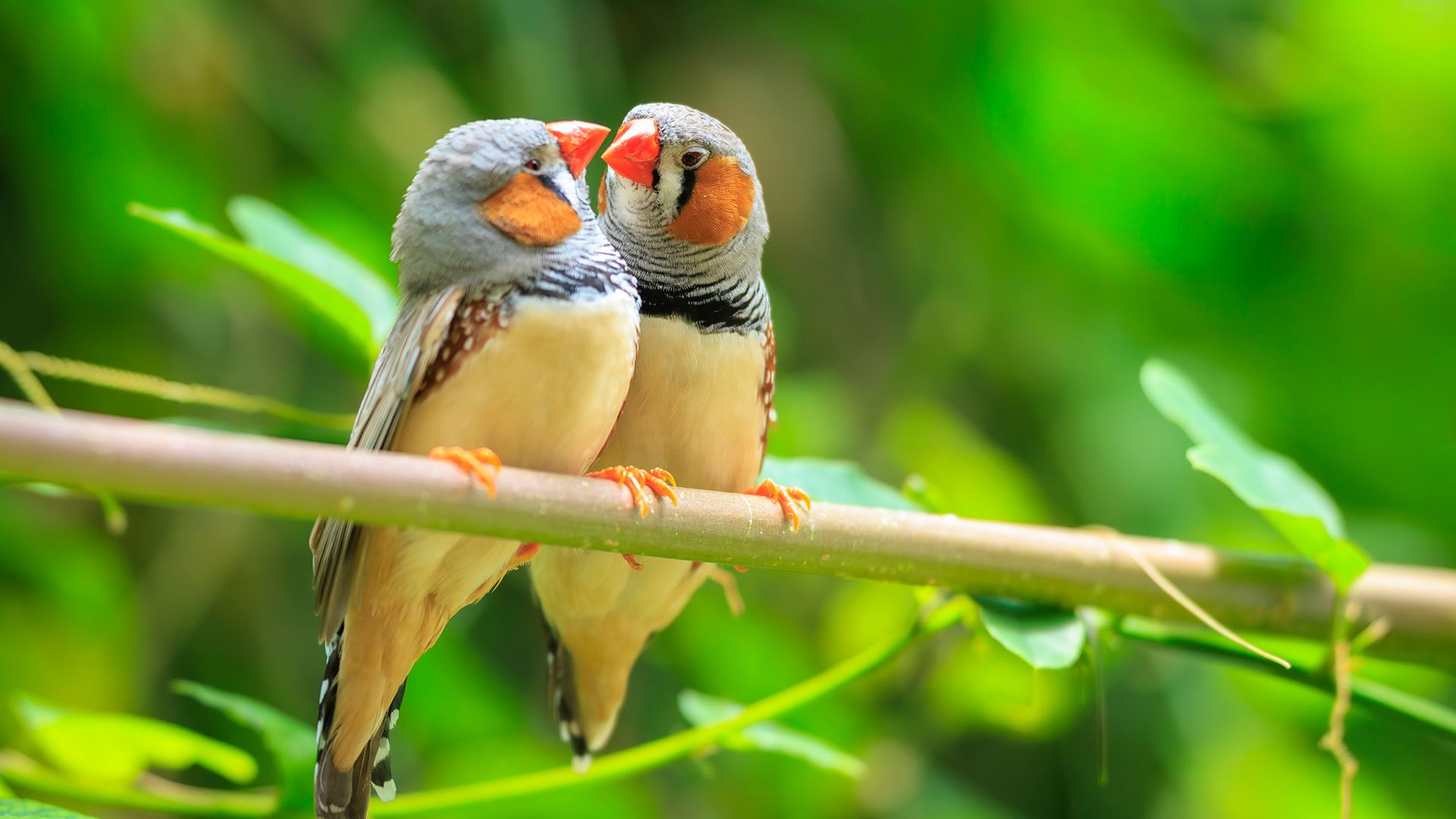
Julie Elie, an ethologist at the University of California, Berkeley, tells Live Science about using AI to decode the vocalizations of zebra finches.
More from Live Science
Bird calls are far more than pleasant sounds in nature. They are complex forms of communication that can reveal how birds think, learn, cooperate and respond to their surroundings. From intricate songs used to attract mates to alarm calls that warn others of danger, vocalizations offer valuable clues about avian intelligence and social organization.
Julie Elie is an animal behavior researcher and associate project scientist at the University of California, Berkeley. She recently won the 2026 Coller Dolittle Challenge for Two-Way Interspecies Communication for her work in studying and deciphering zebra finch communication.
For more than a decade, Elie observed the social behavior of birds, recording thousands of sounds and using machine learning combined with behavioral experiments to decode specific calls.
In this interview, Elie discusses how zebra finches learn and use vocalizations, what their calls reveal about intelligence and social relationships and how artificial intelligence (AI) contributed to decoding birdsong.
Taken from Live Science's own summary of the story.
How could this discovery help people?
Heads up: the full story is on Live Science's website, which is written for adults and may show other headlines.


